

2X
The number of active conflicts since the early 2000s
65%
of people without electricity access live in fragile and
conflict-affected countries
Less than 4%
of the $500 billion annual renewable energy investment reaches fragile and
conflict-affected countries
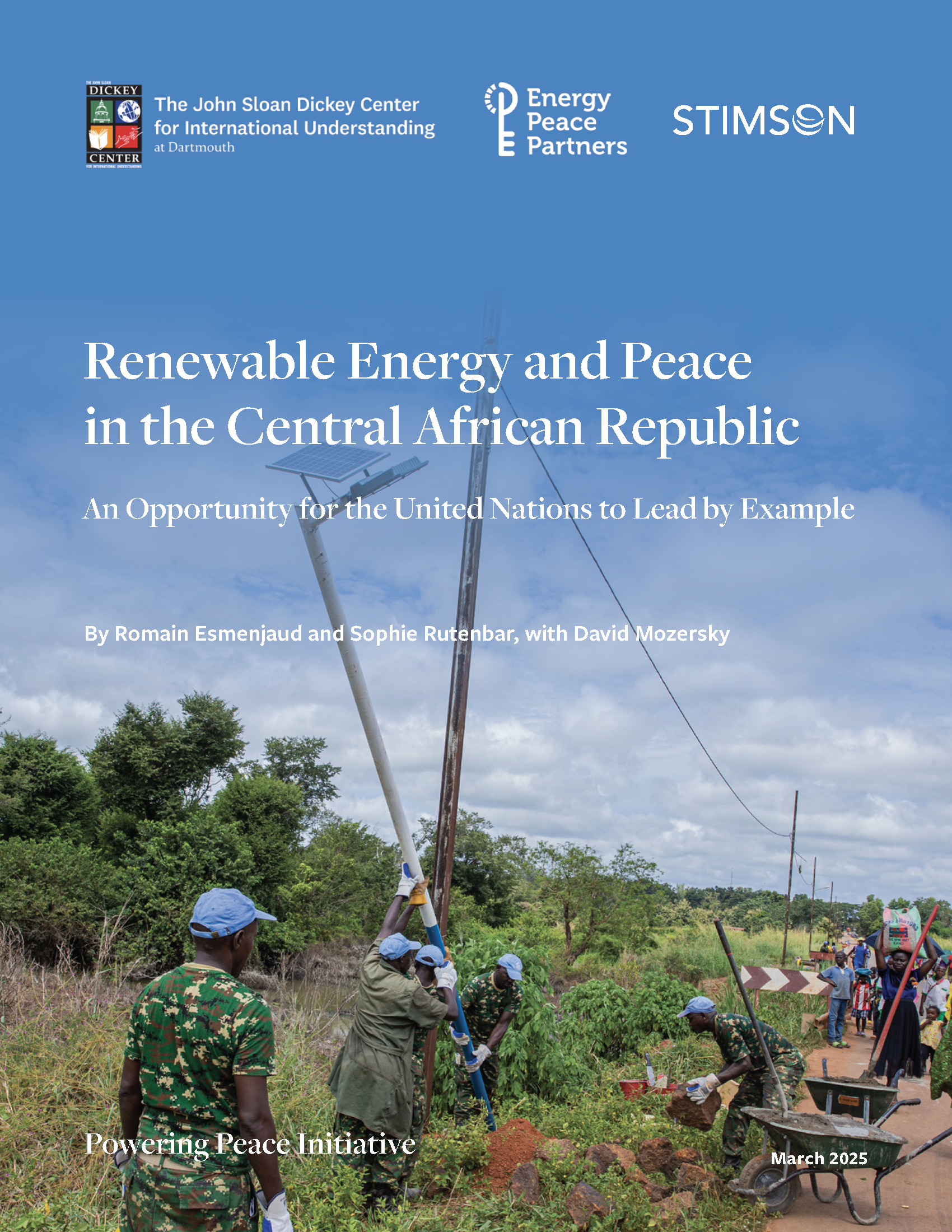
Energy Peace Partners’s is expanding the toolkit for addressing conflict. Through research, advocacy, and consortium building we’re developing a cross-sectoral network of actors working collectively for renewable energy as a tool for peace.
Research
We publish field research on the link between fossil fuels and conflict in fragile and conflict-affected states and measure the relationship between access to renewable energy and peace, security, and resilience in these settings. We’ve published 9 research reports in collaboration with the Stimson Center.
Advocacy
Through advocacy we aim to influence project prioritization, shape energy investment decisions, and elevate the renewable energy and peace agenda in major policy fora.
Movement building
We bring together renewable energy project developers, peacebuilding organizations, climate-focused actors, civil society, government, academia, and funders in order to increase attention around and resources for renewable energy in conflict-affected countries. We reach new audiences by convening workshops and events.
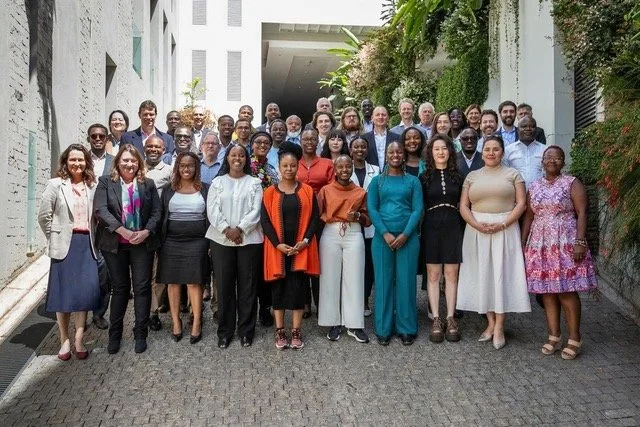
Our partners in this work include Stimson Center, the Dickey Center for International Understanding at Dartmouth, and the Stanley Center for Peace and Security.
The five videos on this page are part of a 5-part mini documentary series, Renewable Peace, an initiative of the Stanley Center for Peace and Security. Through films, research, convenings, and partnerships, the initiative brings together diverse perspectives, experiences, and expertise to explore the relationship between renewable energy, energy access, and peacebuilding in a rapidly changing world.
South Sudan at First Light: South Sudan is the world’s youngest nation, and least electrified. A member of the Lost Boys of South Sudan returns to his country to develop electricity and empower a new generation.
The Light That Stayed in Goma: The city of Goma, in eastern Democratic Republic of the Congo, has experienced armed conflict and humanitarian crisis for decades. Solar energy is uniting neighbors and bringing safety.
Rivers of Opportunity from Virunga National Park: Innovative uses of hydroelectric and solar power are protecting one of the most biologically diverse places on the planet, and bringing and choice to its neighboring communities.
Shared Power, Shared Peace in Northern Nigeria: Communities in the most conflict-affected regions of Nigeria come together to maintain a renewable mini-grid and replace diesel dependency.
“Electricity is a vehicle to economic stability and without this economic growth fragile states will continue to experience security risks.”
— Bala Tyoden, Rural Electrification Agency,
Government of Nigeria
“The people who live in these communities, they want peace, they want development. They really want to see that they are also advancing in life.”
—Habiba Ali, Sosai Renewable Energy, Nigeria

Credit: African Parks
“This mini grid has benefited a lot of lives…what has surprised us is when we opened we realized that there was a mutual ownership of access to that grid. They know and feel we own it together. And so they need to protect it. And because you are protecting this, you are protecting the whole town. And because you are protecting the whole town, people encourage and promote more peace and stability. So it escalates to a far more resilient community and a peaceful community.”
—Mou Deng Riiny, Sungate Solar, South Sudan